Brake Pads
Brake pads are one of the most frequently replaced components on your vehicle, but most drivers don’t give them much thought. Until there’s a warning light. A strange noise. Or a sudden change in how the brakes feel.
This blog is here to change that.
At Cole & Miller Automotives, we’ve inspected and replaced thousands of brake pads over the years. From mild wear to cases where the pads have worn straight through to the backing plate, we’ve seen exactly what happens when brake issues are left too long. Using that hands-on experience, we’ve created this guide to help you understand how brake pads work, what causes them to wear, and what signs you should never ignore.
If you’re driving in or around Bedford, Hitchin, Letchworth, or Stevenage, and want trusted advice from a local specialist, keep reading.
Let’s start with the basics. What do your brake pads actually do?
What Your Brake Pads Really Do
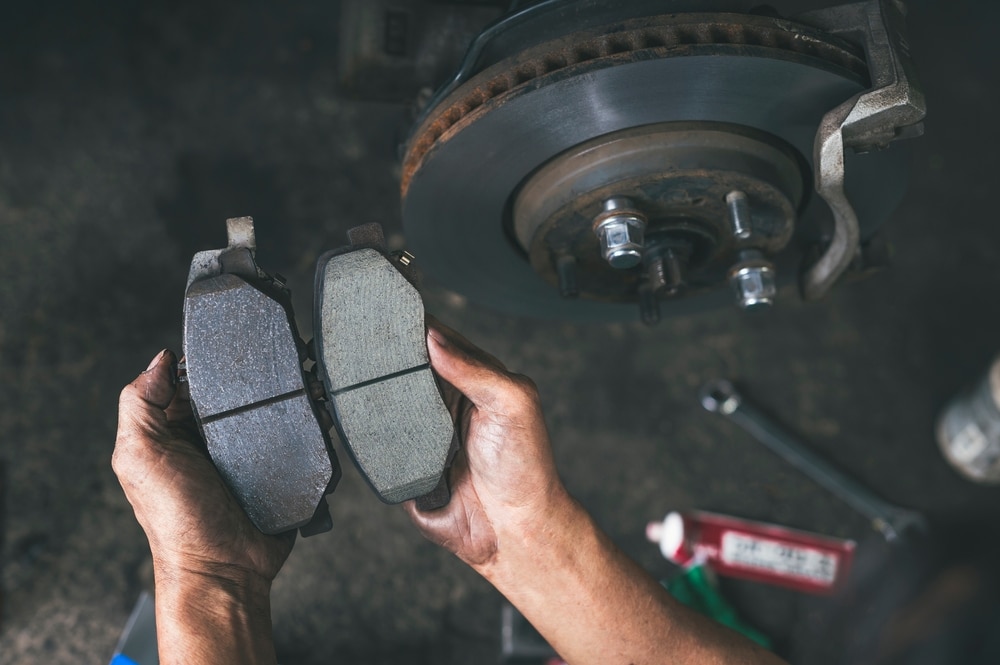
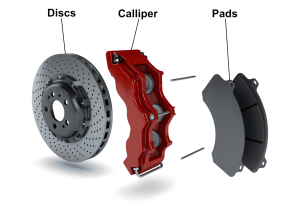
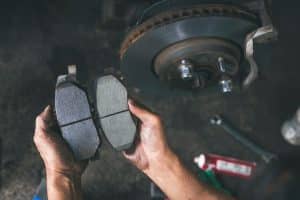
Let’s get straight to it: brake pads are your car’s first line of defence when it comes to stopping safely. Tucked inside the brake calliper, they’re the parts that press against the brake discs whenever you use the brakes. (Some cars use shoes and drums instead, but the function is the same.)
These small blocks of friction material play a huge role in your safety. When you press the brake pedal, hydraulic pressure forces the pads onto the rotating brake disc, creating the friction needed to slow the vehicle down. That friction also generates a large amount of heat. Brake pads are designed to manage it, but the trade-off is wear.
Each time you brake, a tiny amount of pad material is worn away. That’s not a fault — it’s exactly how the system is supposed to work. But as the pads wear down, braking performance begins to suffer. If ignored, the metal backing plate eventually becomes exposed, and that can cause serious damage to the brake discs.
At Cole & Miller Automotives in Arlesey, we check the condition of your brake pads at every service. If they’re approaching the minimum thickness, we’ll let you know clearly and help you avoid further damage.
Why the Right Brake Pads Matter
Brake pads all perform the same task, but they’re not all made from the same materials. Different vehicles require different pad types, and those choices aren’t random — they’re matched to the design and performance of your braking system.
At Cole & Miller Automotives in Arlesey, we only fit pads that meet the manufacturer’s exact specification. That means no guesswork and no generic alternatives. Your vehicle’s braking system was designed to work with a specific type of pad, and using the wrong one can compromise both performance and safety.
Even though we take care of the selection, it helps to understand what’s commonly used:
- Organic (NAO) pads: Made from fibres like aramid, cellulose, and various minerals. These pads are typically quiet and smooth, but they wear faster and aren’t ideal under extreme heat.
- Semi-metallic pads: Contain a high percentage of metal fibres such as steel or copper. These offer excellent braking force and heat resistance, but they may create more noise and dust and wear discs more aggressively.
- Ceramic pads: Built from ceramic materials and copper fibres. They manage heat extremely well and generate very little dust, making them a popular choice in performance vehicles. They do tend to cost more.
It’s not about choosing the best pad, it’s about choosing the right one. The pad, disc, and calliper must work together as a system. If one part is out of sync, you may end up with poor heat management, uneven wear, or reduced braking force.
That’s why every brake pad replacement we carry out is based on your vehicle’s specific design — because safety should never rely on compromise.
Brake Pad Wear: What to Watch and Listen For
It’s unusual for brake pads to fail without warning. There’s usually some sign that something’s not quite right before they reach a critical point. Spotting those early indicators can help you avoid bigger repair costs and keep your braking system safe and effective.
Here are the most common signs that your brake pads may be worn:
- Screeching or squealing
Many pads include a wear indicator: a small metal tab designed to produce a high-pitched sound when the pad material runs low. If you hear it, don’t ignore it. It’s doing its job by warning you that urgent attention is needed.
- Grinding noises
A harsh, grinding sound when braking could mean the pad material is completely worn through, and the metal backing plate is pressing directly against the disc. This severely affects braking performance and can cause further system damage.
- Brake warning light
If your vehicle is equipped with electronic wear sensors, you may see a brake warning light on the dashboard when the pads are nearing the end of their life. This is a direct alert, not just a casual reminder, and it should be investigated quickly.
Brake issues don’t always make noise. Changes in how the brakes feel, such as a softer pedal or longer stopping distances, can also indicate worn pads or deeper system faults.
At Cole & Miller Automotives, we take these signs seriously. If anything feels off, we’ll carry out a full inspection and give you a clear, honest assessment of what’s going on.
Why Delaying Brake Pad Replacement Can Cost You More
It might start with a dashboard light you plan to get checked “soon”, but with brake pads, waiting too long can lead to more than just a bigger bill. It can also affect your ability to brake safely.
Brake pads are designed to wear gradually. That’s how the system is supposed to work. But once they approach the end of their usable life, that wear starts to speed up. As the friction material disappears, the exposed metal backing plate begins to press directly against the brake disc.
At that point, you’re no longer dealing with just a pad change. The disc is likely damaged, and now you’re facing a full brake pads and discs replacement — a much more expensive job.
It’s not just the cost that goes up. Worn pads reduce braking efficiency and increase heat and pressure on the rest of the system. The longer they’re left, the greater the chance of damaging callipers, overheating brake fluid, or creating an imbalance that affects your control under braking.
At Cole & Miller Automotives in Arlesey, we’ve seen simple pad replacements turn into full brake system overhauls, just because they weren’t caught in time. If you’ve heard a sound, seen a light, or noticed a change in braking feel, it’s worth booking a check before the problem escalates.
Rely On Us for Brake Pad Replacements and Checks
Brake pads aren’t just another maintenance item. They’re a vital part of your car’s ability to keep you safe. And like tyres, wipers, and lights, they need to be checked before they fail, not after.
At Cole & Miller Automotives, every brake pad replacement is carried out by trained technicians using parts that meet your car’s exact specifications. No guesswork, no shortcuts, and no unnecessary work. Just high-quality servicing from a team you can trust.
Book Your Brake Pad Check with Cole & Miller Automotives
We offer a 12-month parts and labour guarantee on all work, and we support drivers across Arlesey, Bedford, Hitchin, Letchworth, and Stevenage with professional, transparent service every time.
We have a {{average-rating}} star Google rating from {{review-count}} satisfied customers, and we’re here to help.
Call 01462 730803 today to book your brake pad check with Cole & Miller Automotives.